Art for Wellbeing Workshop: Fostering Emotional Expression and Community Connection through Creative Practice
- kasturihazarika01
- May 25
- 5 min read
Updated: Aug 25
Dr Kasturi Hazarika
PhD Sociology
Abstract: This article offers a reflective account of a community-based art workshop aimed at promoting emotional wellbeing and social connection through creative expression. Designed as an inclusive, intergenerational event, the workshop invited participants to explore personal symbols of wellbeing and express happy memories through collaborative art-making. Through activities such as icebreakers, drawing, and the “Happiness on Canvas” exercise, participants engaged in self-reflection and shared emotional experiences. The session fostered a sense of community and highlighted the therapeutic value of art in enhancing mental wellbeing. The workshop is presented as a model for using art to support public engagement, emotional resilience, and social cohesion.
Introduction
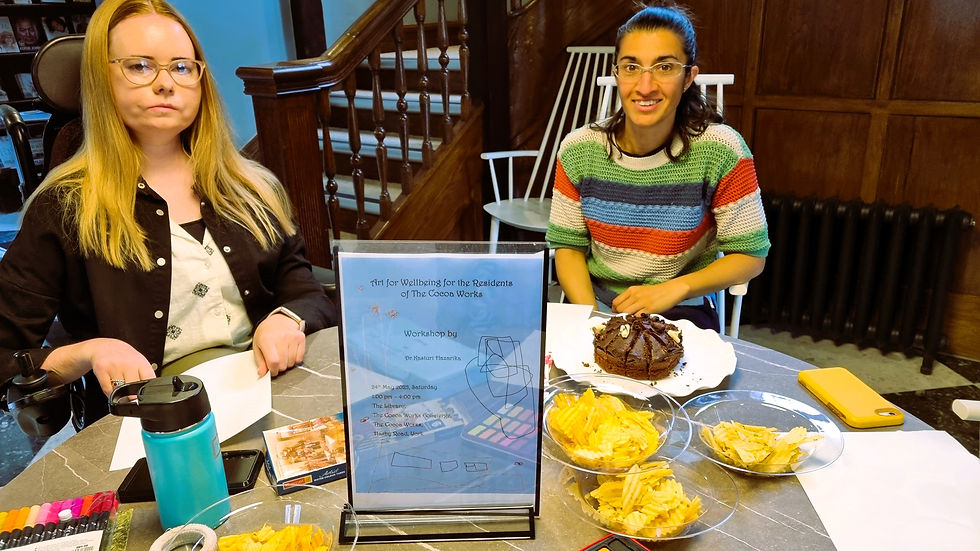
The Art for Wellbeing workshop I carried out in May 2025 at the Cocoa Works was designed to create a relaxed, inclusive space for individuals of all age groups and abilities. Participants were invited to engage in creative activities that encouraged both emotional expression and self-reflection. Light snacks, tea, and coffee were provided, fostering a warm and welcoming environment. The session aimed not only to enhance individual wellbeing but also to build a sense of community and connection among participants.

Session Overview and Icebreaker
To start the workshop, I facilitated a brief icebreaker activity, where each participant introduced themselves. This helped create an atmosphere of familiarity and trust, enabling participants to feel at ease with one another from the outset. Sharing personal introductions allowed everyone to connect on a deeper level and laid the foundation for the collaborative activities that followed.
Exploring Personal Symbols of Wellbeing
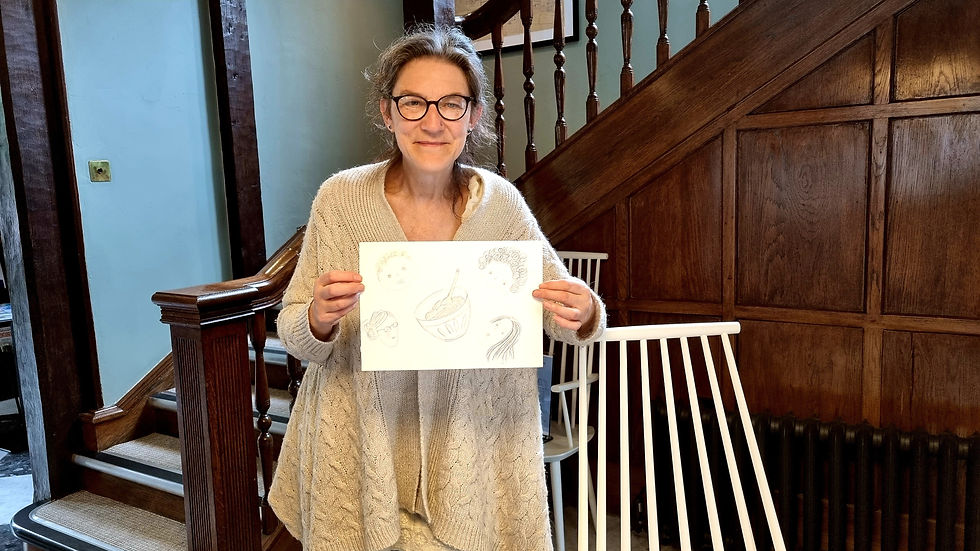
The first major activity involved asking participants to think about an object or symbol they associate with wellbeing. Responses varied widely, with one person choosing a lotus flower, another opting for a cake, and others sharing deeply personal associations. I shared my own symbol: a relaxed, zen-like space. This sparked a meaningful discussion on how environments shape our mental and emotional states, reinforcing the idea that wellbeing is deeply personal and multifaceted.
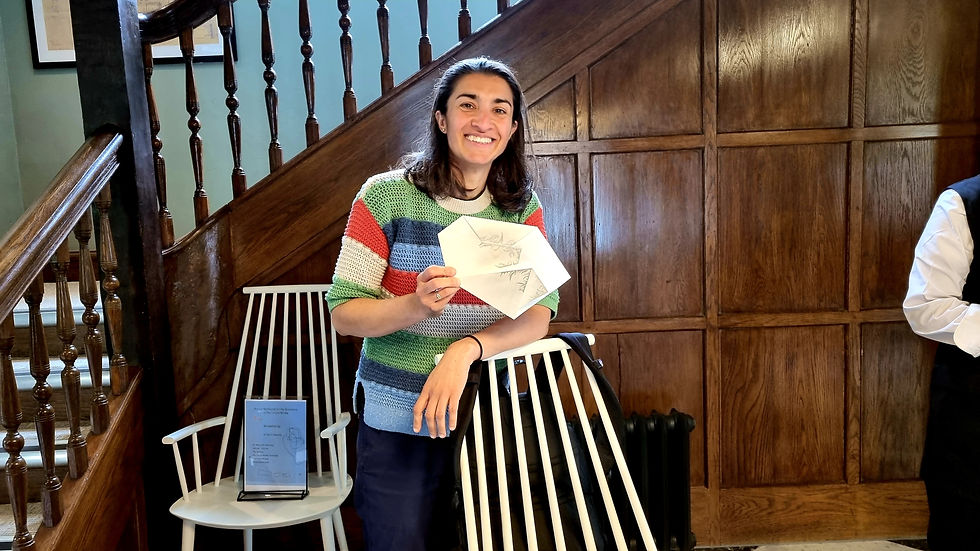
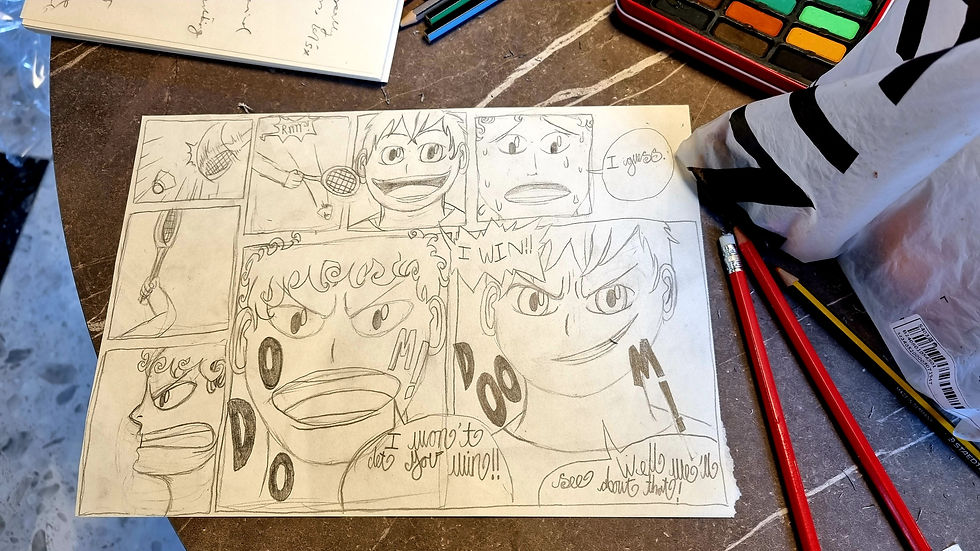
Participants were then invited to create artwork based on these personal symbols of wellbeing. This exercise allowed them to express their unique perspectives while also fostering a sense of community and understanding. Through this collaborative effort, each participant's artwork became a testament to their diverse experiences, underscoring the importance of connection, empathy, and shared meaning in nurturing overall wellbeing.


Creative Expression and Group Engagement
As participants began working on their drawings, the room buzzed with energy and inspiration. The variety of colours, techniques, and interpretations reflected not just individual creativity, but also a collective journey towards understanding and appreciating wellbeing in its many forms. As people worked, they engaged in casual conversation, sharing ideas and stories. The atmosphere was one of camaraderie and creativity, with each stroke of the brush or pencil revealing new insights into personal experiences of joy and wellness.
Participants also enjoyed a cup of tea, cakes, and snacks while discussing the deeper meanings behind their artwork. The shared experience not only allowed for creative expression but also nurtured emotional connections, helping participants bond through their artistic process.
Happy Memory on Canvas
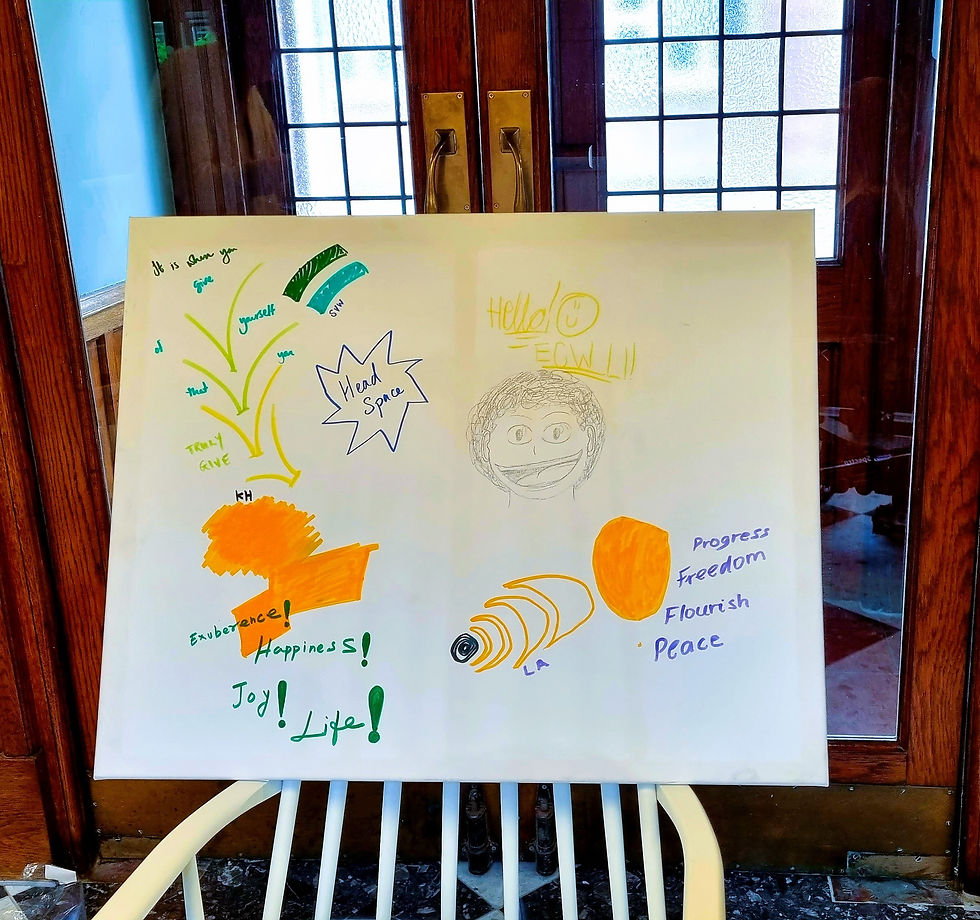
Next, I introduced the 'Happy Memory or Happiness on Canvas' game. In this activity, participants were asked to recall a time when they felt joyful and to tap into that happiness before expressing it visually on a circulating canvas. I began the exercise by demonstrating how I use art to express my own emotions, sharing a deeply personal memory of moving into my current home.
The process of conveying happiness through art was not without its challenges. However, everyone embraced the opportunity to tap into their creativity. For me, the colour orange symbolizes happiness, and I used it to reflect my memory of moving houses—an event filled with both chaos and joy. I began with spontaneous, abstract shapes that captured the initial chaos of the move. As the process progressed and I settled into my new home, my artwork became more structured and controlled, symbolizing the calming effect of my newfound stability.

After my demonstration, participants were clearer about how to express their happiness through art. The use of colour, shape, and texture enabled each individual to reflect on their unique experience of joy, creating a powerful emotional connection to their artwork.
Personal Interpretations of Happiness
One participant created an abstract piece to represent how life, although busy and overwhelming, still transitions into moments of happiness. The use of orange, once again, symbolized the joy found in these transitional moments.
Another participant chose to depict happiness through a vibrant, smiling face, capturing the simplicity and purity of joy.
For yet another participant, happiness was tied to the process of building a library at home. For her, the library was more than just a physical space—it represented a psychological and spiritual refuge. This symbol of personal growth and inner peace connected deeply to the theme of wellbeing.
Initially, I had considered writing explanations for each piece of art to clarify the meanings behind the symbols. However, I realized this might detract from the artwork itself. Instead, a participant suggested we add key words to encapsulate the essence of our creations. This simple yet effective approach allowed everyone to succinctly express the feelings behind their artwork while maintaining the integrity of the visual experience.
Reflection and Outcome
The workshop became more than just an artistic exercise. It was an opportunity for participants to reflect on their own wellbeing, explore what happiness means to them, and translate those feelings into visual form. This process of self-reflection and creative expression allowed participants to deepen their understanding of what contributes to their personal wellbeing.
The final artwork, a collaborative canvas of happy memories, became a symbol of the community we built throughout the workshop. The shared creation process fostered a sense of belonging and social connectedness, essential components of emotional wellbeing.
The participants left the workshop not only with a sense of artistic accomplishment but with a stronger connection to one another. The experience allowed them to engage with their emotions, reflect on their personal journeys of happiness, and learn from others in a safe, supportive environment.
Conclusion and Future Workshops
This workshop achieved more than just individual artistic expression—it created an environment of connection, support, and shared meaning. The artwork produced was not only a reflection of individual emotions but also a powerful collective expression of the importance of wellbeing in our lives. I see this workshop as a significant contribution to building communities that promote peace, joy, and happiness.
In the future, I will continue to facilitate such workshops, creating spaces for people to connect, reflect, and engage in creative practices that enhance their mental and emotional wellbeing. The success of this session affirms the importance of such initiatives in fostering community spirit, encouraging self-expression, and nurturing overall wellbeing.


Comments